Dry Rot vs Termite Damage: What's the Difference?
If you own a home in Long Beach, you've probably heard warnings about both dry rot and termite damage. Both can devastate your home's structural integrity, but they're caused by very different culprits and require different treatment approaches. Understanding the distinction between dry rot vs termite damage is the first step toward protecting your investment.
Dry rot is a fungal decay that occurs when wood loses moisture and becomes brittle. Termites, on the other hand, are insects that actively consume wood fibers for nutrition. While dry rot spreads through fungal spores and moisture, termites spread through colonies and require living insects to cause ongoing damage. The good news is that once you know what to look for, identifying which problem you're facing becomes much easier. This knowledge will help you decide whether you need Wood Rot & Dry Rot Repair or Termite Damage Repair.
What Does Wood Rot Look Like? Visual Signs of Dry Rot
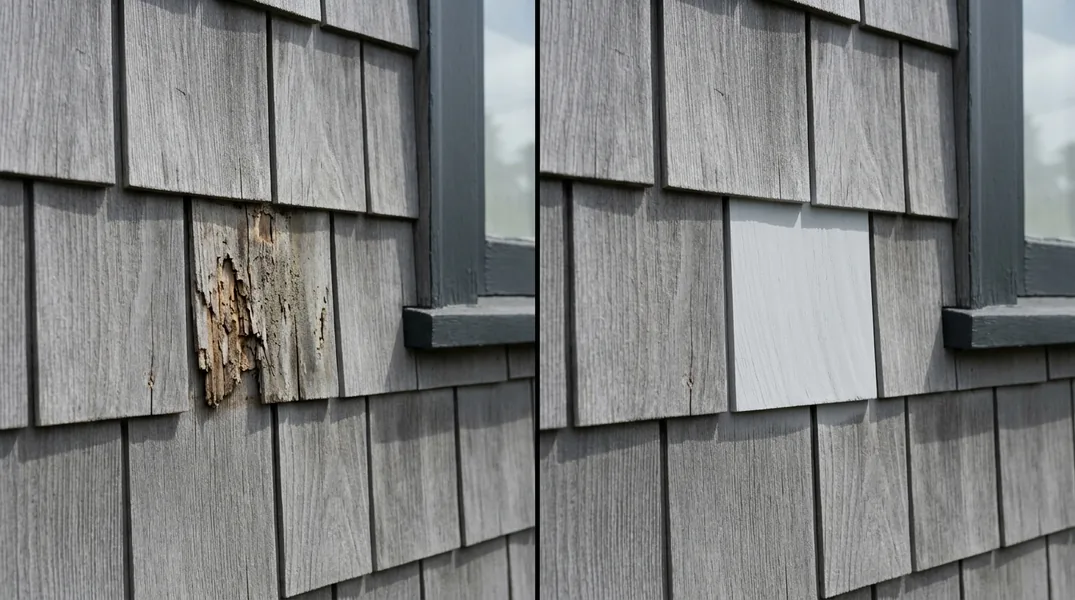
Dry rot presents distinctive visual characteristics that can help you identify it before it becomes a major problem. The affected wood typically appears darker than surrounding healthy wood, often taking on a grayish or brownish hue. As the fungus progresses, the wood becomes soft, spongy, and brittle to the touch. You may notice the wood crumbles easily when you press on it or even with light pressure from a screwdriver. This crumbling action is a hallmark sign that distinguishes dry rot from other wood damage.
Another telltale indicator of dry rot is the presence of visible fungal growth. You might see white or gray cobweb-like strands running across the wood surface or within cracks. In some cases, a fruiting body that resembles a mushroom or bracket fungus may appear on the wood. The affected area often develops deep cracks that run both with and across the wood grain, creating a distinctive cube-like pattern as the wood shrinks and loses structural integrity. If you spot these signs in your Long Beach home, it's time to seek professional assessment.
Signs of Termite Damage in Wood: How to Spot Active Infestation
Termite damage looks quite different from dry rot, though both can cause serious structural problems. The most obvious sign of termite damage is the presence of mud tubes, which termites construct to travel between their nest and food sources. These tubes are typically about the width of a pencil and appear on foundation walls, basement walls, or crawl spaces. Termites use these protected tunnels to avoid exposure to air and light, so finding mud tubes is a strong indicator of active termite activity.
Unlike dry rot, which causes wood to crumble, termite damage often leaves the wood's surface intact while hollowing out the interior. If you tap on wood that's been infested by termites, it may sound hollow, and you might see small holes or galleries where the insects have tunneled through. Termites also leave behind frass, which is essentially termite droppings that look like tiny pellets or sawdust piles near damaged wood. You may also notice swarms of winged termites during spring or early summer, or find discarded wings near windows and doors. These signs indicate you need immediate Termite Damage Repair to prevent further infestation.
Key Differences in Damage Patterns and Progression
The way dry rot and termite damage progress through wood differs significantly. Dry rot spreads through fungal spores that travel through the air and require moisture to activate. Once dry rot establishes itself, it spreads relatively slowly but steadily, consuming the wood from within. The damage pattern tends to be somewhat predictable, following moisture pathways and areas of high humidity. Dry rot thrives in damp environments, so you'll typically find it in basements, crawl spaces, under sinks, and around leaky pipes or poor drainage areas.
Termite damage, by contrast, follows the path of the colony and the insects' feeding patterns. Termites work continuously and can cause significant damage relatively quickly, especially if the infestation goes undetected for months or years. Unlike dry rot, which requires moisture-saturated conditions, termites can survive in wood with normal moisture levels, making them a threat in virtually any part of your home. Termite colonies can contain hundreds of thousands of individuals, all working to consume wood simultaneously. This is why early detection is critical for termite infestations. The damage patterns also differ: dry rot creates a cube-like cracking pattern, while termite damage creates galleries and tunnels that follow the wood grain.
Wood Rot & Dry Rot Repair Near Me: When to Call a Professional
If you've identified signs of either dry rot or termite damage in your home, it's time to call in the professionals. While small areas of surface damage might seem manageable, both conditions can spread rapidly and compromise your home's structural integrity. Attempting DIY repairs without proper diagnosis and treatment often leads to incomplete fixes that allow the problem to resurface. A qualified carpenter or structural specialist can accurately identify the extent of damage, determine whether the problem is active, and recommend the most effective repair strategy.
Long Beach Carpentry specializes in identifying and repairing both dry rot and termite damage. Our team has years of experience assessing wood damage in older Long Beach bungalows and historic homes where these issues are particularly common. We can also handle related repairs like Floor Joist & Subfloor Repair and Beam Replacement & Load-Bearing Wall Removal if structural elements have been compromised. When you call us at (562) 418-6699, we'll schedule a thorough inspection and provide you with a clear assessment of what you're dealing with.
Next Steps: Getting Your Free Estimate Today
Don't let wood damage continue to worsen in your home. Whether you're seeing signs of dry rot, termite damage, or you're simply unsure what you're dealing with, the best first step is to get a professional evaluation. Long Beach Carpentry offers comprehensive inspections and detailed repair recommendations so you know exactly what needs to be done and what it will cost.
Contact us today to schedule your free estimate. Call (562) 418-6699 or visit our website to learn more about our services and pricing. We serve Long Beach and the surrounding areas, and we're ready to help protect your home from further damage. The sooner you address wood rot or termite damage, the less expensive and invasive the repairs will be.
Looking for a professional carpentry contractor in Long Beach? Long Beach Carpentry responds fast for all your carpentry needs.
Get a Free QuoteOur services: Wood Rot & Dry Rot Repair · Termite Damage Repair · Floor Joist & Subfloor Repair