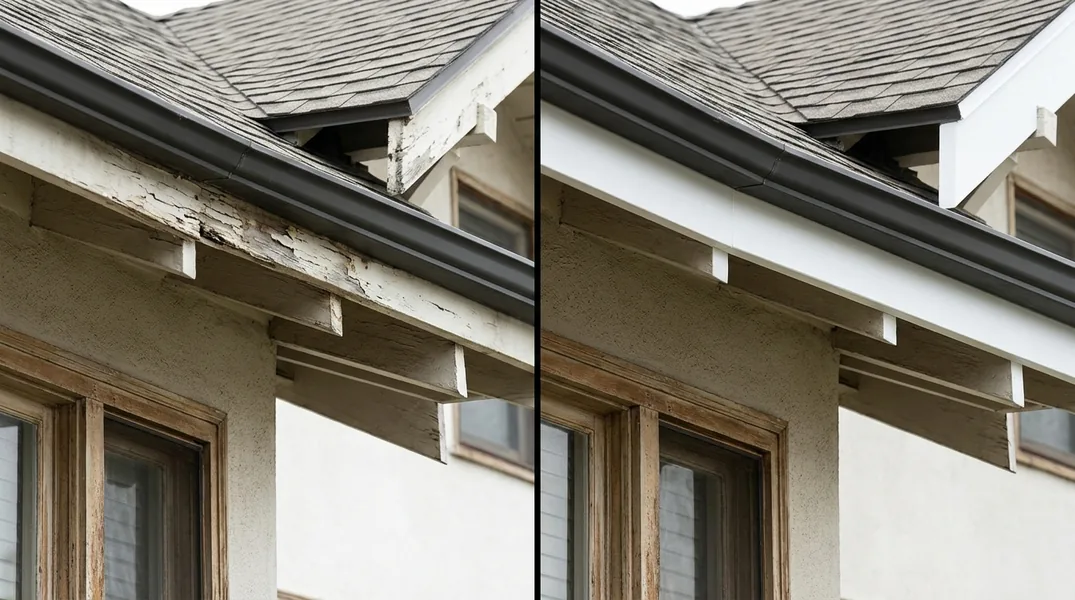
The Craftsman Bungalow Challenge in Long Beach's Historic Neighborhoods
If you own a Craftsman bungalow in Bluff Park or Rose Park, you already know you live in one of Long Beach's most charming neighborhoods. These early-20th-century homes are architectural treasures, with their distinctive low-pitched roofs, exposed beams, built-in cabinetry, and handcrafted details. But that vintage appeal comes with a responsibility: these homes demand thoughtful, informed maintenance. Unlike newer construction, your Craftsman bungalow was built with materials and methods that age differently, and the wood components that give these homes their character are also their most vulnerable points.
The good news is that understanding your home's specific needs puts you ahead of the curve. Many Long Beach homeowners discover problems only after they've become expensive repairs. By learning what to look for and when to call a professional, you can protect your investment and preserve your home's historic integrity for decades to come. The key is knowing which issues require immediate attention and which can be monitored over time.
Wood Rot and Dry Rot: The Silent Threat to Your Exterior
Wood Rot & Dry Rot Repair is one of the most common issues we address in historic Craftsman homes. The difference between the two matters for how you'll address the problem. Wet rot occurs when wood is exposed to prolonged moisture, typically from poor drainage, leaking gutters, or damaged siding. Dry rot, despite its name, also requires moisture to start, but it progresses differently and can spread more aggressively through structural wood. Both thrive in Long Beach's coastal climate, where salt air, fog, and occasional heavy rain create ideal conditions for fungal growth.
The challenge with rot is that it often hides. You might notice soft spots in trim boards, discoloration on siding, or a spongy feeling when you press on wood, but the damage inside the wall cavity or within structural members can be far more extensive. Early detection saves money and prevents structural compromise. If you notice paint bubbling, wood that feels soft or crumbly, or a musty smell near your foundation or exterior walls, don't wait. The longer rot progresses, the more wood needs replacement, and the higher your repair costs climb. A professional inspection can identify rot before it becomes a major structural issue.
Craftsman Bungalow Repair: Addressing Wood Siding and Exterior Trim
Craftsman bungalow repair often centers on the exterior wood elements that define the style. Your home likely features wood siding, decorative trim boards, exposed rafter tails, window frames, and porch details that are both beautiful and vulnerable. Unlike modern vinyl or composite siding, original wood siding requires regular maintenance to stay healthy. The wood needs to breathe, which means paint systems must be chosen carefully, and any damage must be addressed promptly before moisture penetrates the surface.
Wood siding repair isn't always about replacing entire walls. Often, we can repair damaged sections, replace individual boards, or reinforce weakened areas while preserving the home's original character. The key is using materials and methods that respect the home's age and construction. Modern pressure-treated lumber, for example, can work for some repairs, but in visible areas, matching the original wood type and grain pattern maintains authenticity. Exterior trim repair follows the same principle: careful restoration rather than wholesale replacement whenever possible.
Historic Home Maintenance in Long Beach: A Year-Round Approach
Maintaining a historic home isn't a one-time project; it's an ongoing commitment. Historic home maintenance in Long Beach requires understanding your home's seasonal vulnerabilities. Winter rains can expose gutter problems and lead to water intrusion. Spring brings warm, moist conditions that accelerate mold and fungal growth. Summer heat can cause wood to shrink and crack, opening new pathways for moisture. Fall cleanup is critical: leaves clogging gutters and downspouts set the stage for winter water damage.
Create a maintenance calendar that includes quarterly gutter inspections and cleaning, annual checks of all exterior wood surfaces, regular caulking and paint touch-ups, and monitoring of any problem areas you've previously identified. Keep records of all repairs and maintenance work. This documentation is valuable if you ever sell your home and helps you spot patterns (for example, if one corner of your house repeatedly develops moisture problems, there may be an underlying drainage issue). When you do need repairs, work with contractors who understand historic homes. Not all carpenters have experience with older construction methods, materials, and restoration principles.
When Damage Goes Deeper: Floor Joist, Beam, and Structural Issues
Sometimes wood rot or structural damage extends beyond the surface trim and siding. If rot has penetrated to Floor Joist & Subfloor Repair areas or affects load-bearing components, the repair becomes more complex and urgent. Signs of deeper structural problems include sagging floors, doors and windows that no longer close properly, visible cracks in plaster or drywall, or soft spots in the subfloor. These issues indicate that the home's structural integrity may be compromised, and ignoring them can lead to catastrophic failure.
Beam Replacement & Load-Bearing Wall Removal projects require professional engineering and permits. These are not DIY repairs. If you suspect structural damage, have a professional inspection done immediately. In some cases, temporary bracing is needed while repairs are planned and executed. The good news is that structural repairs, while expensive, are often necessary only once if done properly. Modern repair techniques and materials can restore your home's strength while preserving its historic character.
Getting Professional Help: What to Expect and Budget
When you contact Long Beach Carpentry for an assessment, expect a thorough evaluation of the visible damage and potential hidden problems. A professional inspection typically includes checking for moisture with specialized equipment, probing suspect wood to assess damage depth, and evaluating the underlying cause of any issues. This diagnostic work is essential because treating the symptom without addressing the cause leads to recurring problems. For example, repairing rot without fixing the moisture source means the rot will return.
Regarding pricing, wood repair costs vary widely depending on the extent of damage, the materials used, and the complexity of the work. A small section of rotted trim might cost a few hundred dollars, while extensive wood siding repair or structural work can run into thousands. The best approach is to get a free estimate from a qualified contractor. This gives you a clear picture of what needs to be done and what it will cost. Long Beach Carpentry serves the entire Long Beach area and can be reached at (562) 418-6699 to schedule an inspection. Don't delay on repairs; the longer wood damage persists, the more expensive the eventual fix becomes.
Looking for a professional carpentry contractor in Long Beach? Long Beach Carpentry responds fast for all your carpentry needs.
Get a Free QuoteOur services: Wood Rot & Dry Rot Repair · Termite Damage Repair · Floor Joist & Subfloor Repair