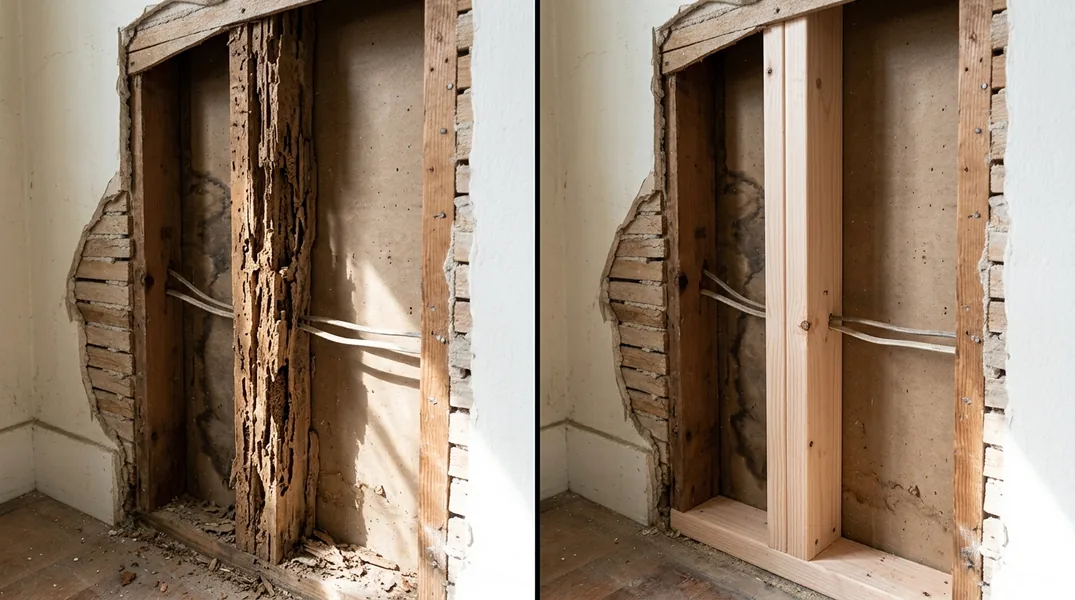
Why Long Beach's Climate Is a Perfect Storm for Wood Damage
Long Beach homeowners face a unique challenge when it comes to protecting their properties from wood-destroying pests and fungi. The combination of our coastal humidity, moderate temperatures, and salt air creates an ideal breeding ground for both termites and the fungal spores that cause dry rot. Unlike inland areas with harsh winters that naturally kill off pest populations, Long Beach maintains year-round conditions that allow these destructive organisms to thrive.
The proximity to the Pacific Ocean means consistently high moisture levels in the air and in the soil around our homes. Termites, particularly subterranean termites common to Southern California, are attracted to this moisture. They use it as a highway to travel from soil into your home's foundation and wooden structures. Meanwhile, the same moisture that termites love also promotes the growth of wood rot fungi, which breaks down the cellulose in wood without requiring the insect activity that termites bring. For homeowners in this region, wood damage isn't just a possibility, it's almost inevitable without proper prevention and maintenance.
Signs of Termite Damage: What Every Long Beach Homeowner Should Know
Recognizing the early signs of termite damage can save you thousands of dollars in repair costs. The problem is that termites work quietly and often remain hidden inside walls, floor joists, and other structural components until the damage becomes severe. One of the most common indicators is the presence of mud tubes, which are pencil-thin tunnels that termites construct to travel from the soil to your home. These tubes protect termites from dry air and predators as they move between their colony and your wood. You'll typically find them along foundation walls, basement supports, or crawl space beams.
Another telltale sign is wood that sounds hollow when tapped or feels soft when probed with a screwdriver. Termites consume wood from the inside out, leaving only a thin shell of exterior material. You might also notice discarded termite wings near windowsills or doors, particularly during swarming season in spring. Buckling or warping floors, peeling paint, or small holes in wood trim can all indicate active or past termite activity. If you notice any of these warning signs in your Long Beach home, it's critical to get a professional inspection before the damage spreads to load-bearing structures.
Wood Rot & Dry Rot Repair Near Me: Understanding the Damage Process
Wood Rot & Dry Rot Repair requires understanding how this fungal damage differs from termite damage. Dry rot, despite its name, actually requires moisture to develop. The fungus feeds on the cellulose in wood and produces enzymes that break down the wood's structure, causing it to become brittle and crumbly. Unlike termites, dry rot leaves no visible insects or mud tubes, making it easier to miss until significant damage has occurred. The fungus thrives in poorly ventilated, damp areas like crawl spaces, basements, and around plumbing leaks.
Wood rot typically progresses through stages. Early rot might appear as slight discoloration or a musty smell. As it advances, the wood becomes soft and spongy, losing its structural integrity. In advanced stages, wood can crumble in your hands. The danger lies in how quickly this can compromise your home's structural safety, particularly when rot affects floor joists, beams, or wall framing. Many homeowners don't realize they have a dry rot problem until they notice sagging floors or doors that no longer close properly. Professional Wood Rot & Dry Rot Repair services can identify and address the problem before it reaches this critical stage.
Termite Damage Repair Cost in Long Beach: What to Budget
When homeowners discover termite damage, one of their first questions is about termite repair cost. The answer depends on several factors, including the extent of the damage, which structural components are affected, and whether additional treatments are needed. Minor infestations caught early might require only localized Termite Damage Repair and preventative treatment, costing anywhere from a few hundred to a couple thousand dollars. However, if termites have compromised floor joists, beams, or other load-bearing elements, costs can escalate significantly.
Extensive damage might require Floor Joist & Subfloor Repair or even Beam Replacement & Load-Bearing Wall Removal, which represent substantial investments. The good news is that addressing the problem early typically costs far less than waiting until structural integrity is compromised. Long Beach Carpentry offers transparent pricing and can provide a detailed estimate after a thorough inspection. We recommend getting multiple quotes and understanding exactly what repairs are necessary versus preventative upgrades. Call us at (562) 418-6699 to discuss your specific situation and get accurate pricing for your repair needs.
Prevention and Early Detection: Your Best Defense
The most cost-effective approach to protecting your home from termites and wood rot is prevention combined with early detection. Regular inspections, ideally annually or biannually in Long Beach, can catch problems before they become expensive. Focus on maintaining proper drainage away from your foundation, keeping gutters clean and functioning, and ensuring adequate ventilation in crawl spaces and attics. Fix any water leaks promptly, as moisture is the common denominator that attracts both termites and promotes fungal growth.
Physical barriers and chemical treatments can also help. Many homes benefit from termite barriers installed around the foundation perimeter. Reducing wood-to-soil contact by elevating wooden structures and removing wood debris from around your home decreases termite access points. For wood rot prevention, proper grading to ensure water flows away from your home and maintaining adequate ventilation in enclosed spaces makes a significant difference. If you're unsure about your home's vulnerability or have noticed any warning signs, a professional inspection is the smart first step. Long Beach Carpentry can evaluate your property and recommend the best preventative measures for your specific situation. Contact us today at (562) 418-6699 or request a free estimate to protect your investment.
When to Call a Professional Repair Contractor
DIY repairs might be tempting when you discover wood damage, but structural issues caused by termites or wood rot require professional expertise. Improper repairs can leave hidden damage that compromises your home's safety and may not pass building inspections if you ever sell your property. Insured contractors have the training to assess the full extent of damage, identify whether the problem is still active, and determine what repairs are structurally necessary versus cosmetic.
Long Beach Carpentry specializes in comprehensive wood damage repair, from initial assessment through complete restoration. Our team understands the specific challenges that coastal Long Beach properties face and knows how to repair damage while implementing preventative measures to reduce the risk of recurrence. Whether you're dealing with Termite Damage Repair or Wood Rot & Dry Rot Repair, we provide honest assessments and quality workmanship. If you've noticed any signs of wood damage in your home, don't wait. Call (562) 418-6699 today to schedule your inspection and get started on protecting your home's structural integrity.
Looking for a professional carpentry contractor in Long Beach? Long Beach Carpentry responds fast for all your carpentry needs.
Get a Free QuoteOur services: Wood Rot & Dry Rot Repair · Termite Damage Repair · Floor Joist & Subfloor Repair